Choosing Thermal Blinds to Insulate Your Home for Winter
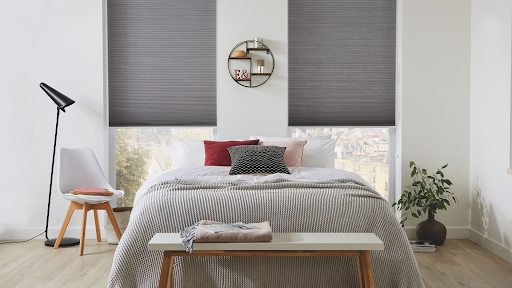
One of the key concerns for many households in 2022 has been finding ways to reduce energy consumption to try to counteract the rising energy costs. If you are looking for ways to keep your home warm over winter whilst also keeping heating related energy use as low as possible, then choosing thermal blinds is a great long term investment to help keep that valuable warmth inside your home, and keep the wintry cold safely outside.
Blinds have long been an important fixture in the modern home, providing control over light and shade, along with privacy, but the thermal qualities of certain styles of blind are more valuable than ever before. Here we look at the thermal blinds to choose to keep your home warm in the coldest months.
Which Window Blinds are the most effective Thermal Blinds?
Roller blinds
Roller blinds are one of the most effective thermal blind styles for winter. The reason for this is that this type of blind has just one sheet of fabric, and as a result, when the blind is closed, there are few gaps to for heat to escape through, and cold draughts to enter through, so when blinds are closed at night or when you are away from home, heating systems do not need to work as hard to keep your home at a comfortable temperature.
Whilst closed roller blinds block out a lot of light, you should also consider that in daylight hours, when there is light shining into interior spaces, opening the blind helps generate heat from the sun’s UV rays.
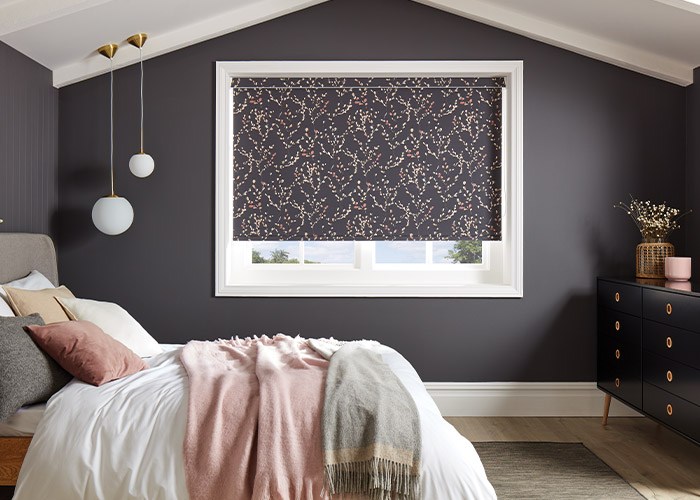
For even more effective insulation, roller blinds are available with ‘perfect fit’ installation. This means that the blind fits perfectly with the window frame, closing gaps more effectively than a free hanging roller blind. Blackout fabrics can also be chosen for a thicker thermal blind, to provide a stronger layer of insulation.
If you are looking for blinds that maintain the functionality of traditional roller blinds, but provide more control over light, then vision blinds, also known as day and night blinds, can be considered. Vision blinds feature two fabric layers, one opaque, and one that lets in light, allowing light control to be adjusted whilst the blinds are rolled down.
If you are concerned about losing some thermal insulation value when choosing vision blinds, consider that they feature 2 layers of fabric, so they can trap and retain heat to help reduce energy bills in winter months. Like traditional roller blinds, day and night blinds are also available in ‘perfect fit’ and in thicker, blackout fabrics.
Cellular blinds
If cutting energy costs is a key consideration when choosing new blinds, cellular blinds and pleated blinds are also a great choice. Cellular and pleated blinds offer an extra layer of insulation, blocking cold air from entering, and preventing warm air from leaving. As is suggested by the name, cellular blinds feature a cellular, honeycomb like structure. This creates air pockets when the blind is closed, effectively slowing down thermal transfer from cold windows, and providing a barrier against heat from central heating systems.
Like roller blinds, cellular blinds are available with ‘perfect fit’ installation, ensuring fewer gaps for warm air to escape through and vice versa. An extensive range of choices are also available when it comes to colours and finishes.

Thermal Blinds Installation
Investing in blinds with excellent thermal insulation properties can play an important role in increasing the energy efficiency of your home, helping reduce energy bills and even increasing your home’s value, should you decide to sell.
To discuss your requirements for energy efficient window blinds and for expert installation, you can contact Birmingham based company, Taydec.